How We Build Strength That Actually Lasts
Apr 05, 2026 If you've ever felt frustrated that your trainer isn’t throwing more weight at you faster, or wondered why it’s important to spend so much time on what looks like "just the movement," here's what's happening:
Following a specific progression that respects how your nervous system actually learns means strength without injury.
Stability and mobility first. Then the skill of strength. Then speed or load.
You can't build real strength on top of sloppy or fear-based movement. And you definitely can't add speed or load if the foundation isn't there.
The Skill of the Movement Comes First
Before adding a challenge, your brain needs to understand the pattern, and your nervous system needs to trust it.
This is why we teach movements in chunks. Why we cue in multiple ways. Or why we might ask you to do the same basic pattern for weeks before adding a significant load.
Your nervous system is learning:
- What muscles need to fire and when
- How to coordinate your joints through the full range
- What stable feels like in your body
- How to maintain position under fatigue
When the skill is solid - when your brain recognizes the pattern and trusts it - then we build strength by adding load to stable, mobile joints that love moving and learning!
Then We Build Strength
Once you can perform the movement skillfully (I like to joke “if you can do it well even if you’re drunk), THEN add resistance. Friction. Weight. The fun stuff!
This is where strength as a skill comes in. You're not just moving weight. You're teaching your nervous system to produce force while maintaining efficiency and balance.
Your brain is asking: Can I do this movement well under load? Can I maintain stability? Can I breathe? Can I recover from this?
If the answer is yes, your nervous system gives you access to more strength! You build muscle and feel better and the world is your oyster
If the answer is no, it pulls the safety brake.
This is why some days you feel inexplicably weaker than others. (Again: my bad joke that someone has a gravity thermostat somewhere and arbitrarily turns it up and down.) Your CNS is making real-time decisions about what you're allowed to do based on how safe and resourced it feels!
Only Then Do We Add Speed or Conditioning
After you're strong and skillful - after your nervous system trusts the pattern and can produce force reliably - we layer in speed or conditioning.
This is when you can add:
- Ballistic movements like swings or snatches
- Interval work or conditioning circuits
- Higher volume or density
- More complex combinations
But don't start here. Because speed or complexity on top of unstable or confused movement is how you get hurt.
This Isn't Us Being Slow or Overly Cautious
I know it can feel like the process can hold you back sometimes.
You want to do more. Lift heavier. Move faster. I get it! Ya’ll. ME TOO.
But this progression isn't about being cautious. It's about respect. And playing the long game so you get to be crazy strong for the years to come.
Skip steps, and your brain pulls the safety brake. You feel weak, tight, or like you're moving through mud. You might get injured. You definitely get frustrated.
Follow the progression, and you build real, lasting capacity that means you’re still strong even when life “LIFES” if you know what I mean.
The kind of strength is there when you need it. It doesn't disappear when you're tired or stressed, and itsupports your amazing, busy life instead of depleting it.
What This Looks Like In Practice
In your training, this might mean:
Spending several sessions learning the setup, hip and pelvis mobility and big movement patterns for a deadlift before adding significant weight.
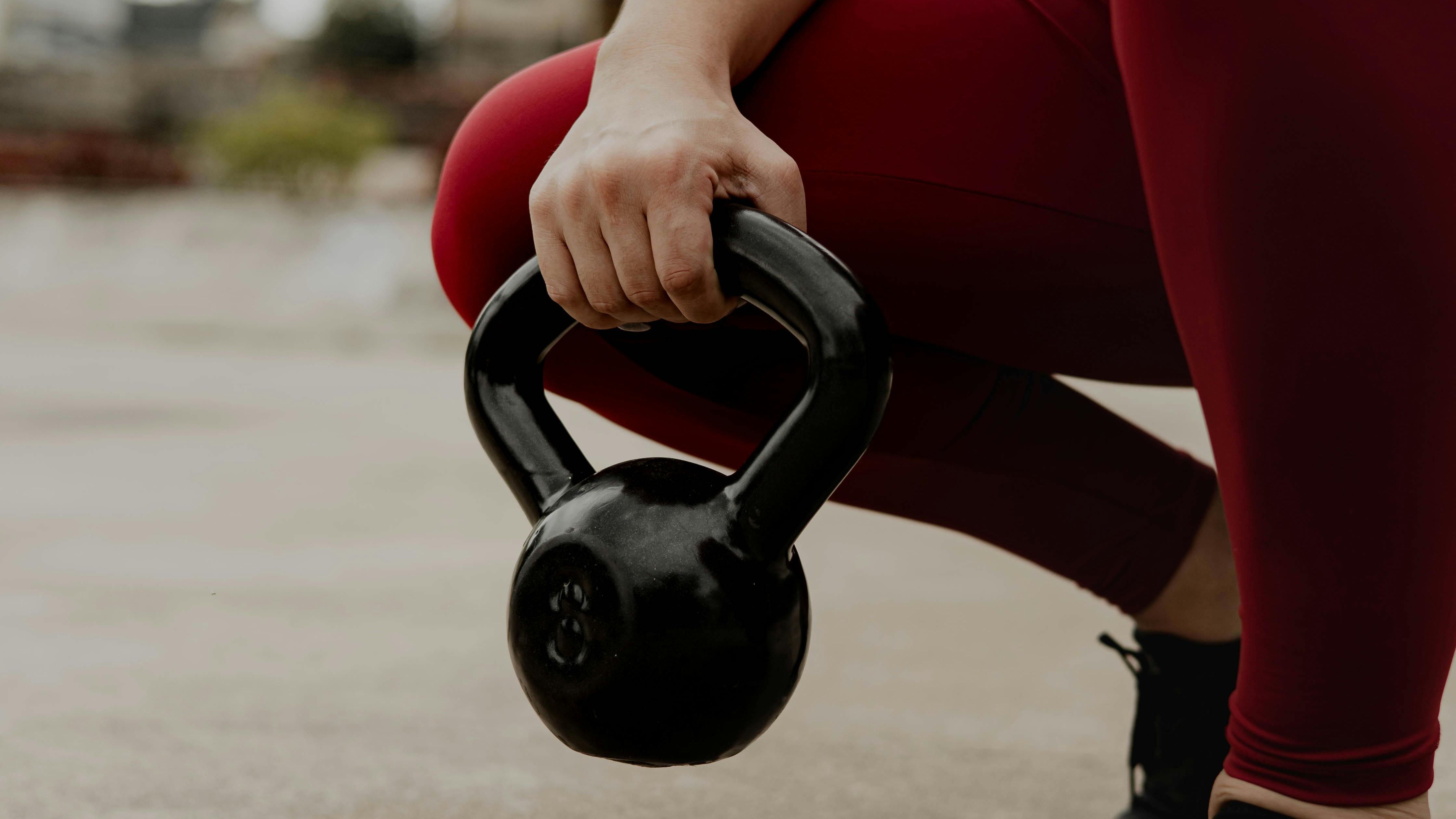
Mastering the kettlebell swing as a skill before we use it for conditioning. (Dead stop swings, loaded hinges and swing varieties are great for this.)
Building stable, mobile shoulders before we load overhead movements, with things like bottoms up, ground-based strength and more.
Getting really good at breathing and engaging from deep within before we add complex lifts.
It can look boring from the outside. But your nervous system is doing sophisticated work - mapping patterns, building coordination, establishing trust… and it’s our job to make it FUN so you can learn how your body works in real time
That work is the foundation for everything else. In the gym and in real life.
Your Nervous System Will Tell You When It’s Ready
Signs that your nervous system trusts the movement:
- You can maintain the pattern even when you're fatigued
- Your breathing stays controlled and accessible
- Your movement stays smooth and coordinated
- You feel energized after, not depleted
If you see these signs consistently, it’s a good indicator that it’s time to progress a movement or add more weight. Otherwise, stay where you are, change it up or or back up a step.
Building real strength takes patience and a commitment to your moment to moment truth. But it's so much more effectivel and always more respectful than constantly pushing against your own protective mechanisms.
If you're ready to build strength that actually lasts, there's space for you at Forest Coaching & Studios.
We're offering free intro sessions in Madison and Lake Mills. Click here to book your first session today.
Don't miss a beat!
New moves, motivation, and classes delivered to your inbox.
We hate SPAM. We will never sell your information, for any reason.